Everyone talks about Tuscany. Everyone talks about the Amalfi Coast. Barely anyone brings up Emilia Romagna, and honestly, that’s a little baffling once you’ve actually been. This is the region that gave the world parmesan, balsamic vinegar, prosciutto, and pasta so good it’ll ruin every other version you’ve had before. And yet it somehow flies under the radar compared to the more “Instagram famous” parts of Italy.
I went in expecting a quiet, low-key trip, mostly about food. I left thinking it might’ve been the best eating I’ve ever done in my life, and I’m not exaggerating for effect. If you’re weighing where to stay and what to actually do once you’re there, here’s the rundown, no fluff, just what stood out.
Where to Actually Stay
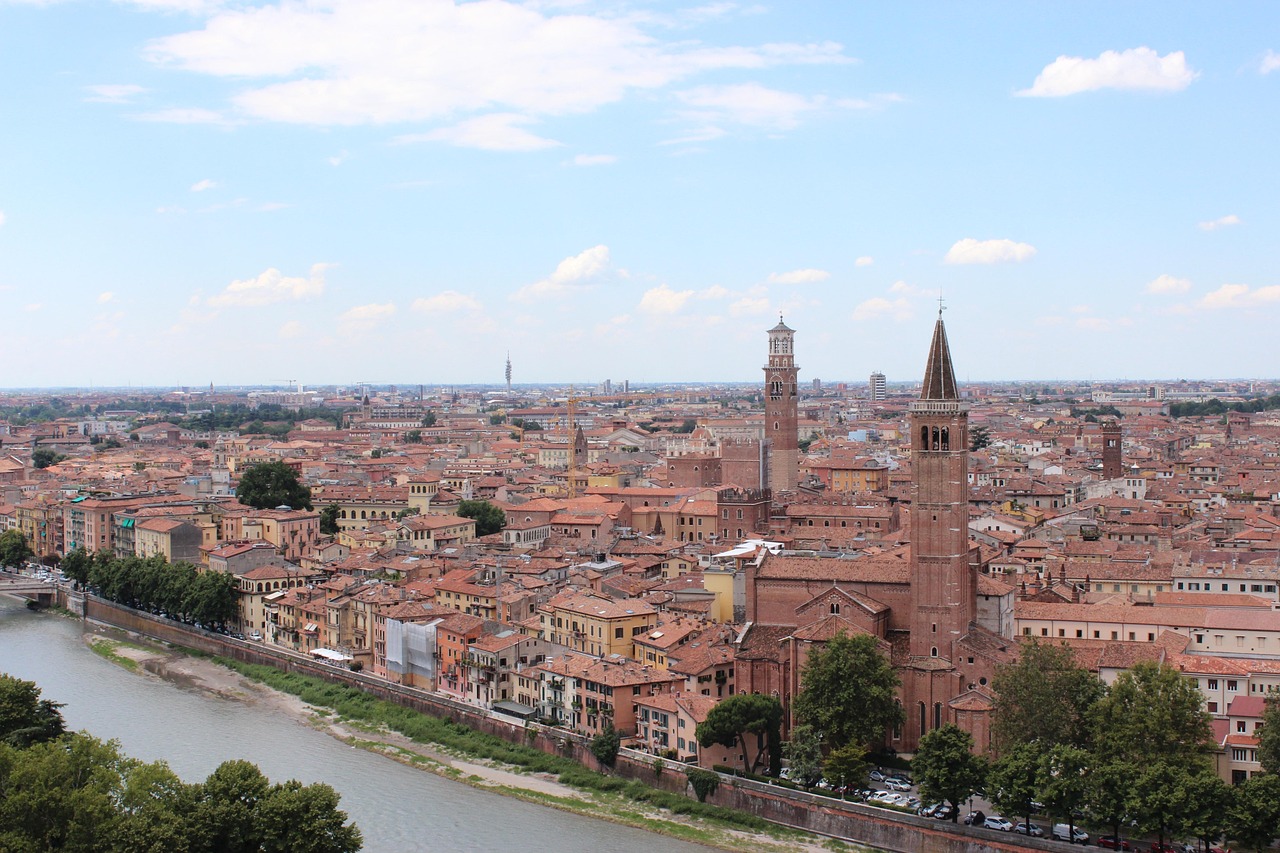
Picking hotels in Emilia Romagna isn’t like picking hotels in Rome or Florence, where you’re mostly choosing based on how close you are to a landmark. Here, it’s more about which town fits the kind of trip you want. Bologna’s the obvious hub, it’s central, easy to get around from, and has enough going on that you won’t get bored even without day trips.
If you want something a little slower, Modena or Parma are worth basing yourself in in for a few nights each. Smaller, walkable, and honestly a lot of the good food tours start right from these towns anyway, so you’re not wasting half your morning getting somewhere.
As for what makes a hotel worth booking here, honestly, it’s less about fancy amenities and more about location and breakfast (this region takes breakfast seriously, in the best way). A lot of the best hotels in Emilia Romagna are smaller, family-run places, not big chain hotels, and that usually means better recommendations too. Ask the person at the front desk where they’d eat, and you’ll probably get a better answer than any online list could give you.
Why the Food Tours Are Worth Building a Trip Around
Look, I’ve done food tours in other parts of Italy before, and they’re usually fine. Good, even. But Emilia Romagna food tours hit different because the region’s whole identity is built around food. It’s not a tourist attraction here, it’s just how people live.
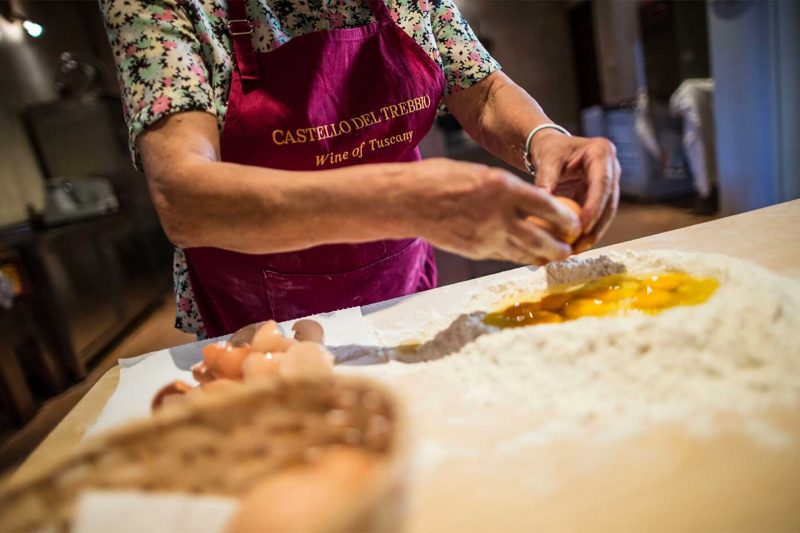
A typical tour usually takes you through a working parmesan dairy, and watching the whole cheese-making process up close is honestly more interesting than it sounds. Then there’s balsamic vinegar, the real stuff, aged for years in wooden barrels, nothing like the cheap bottled version most people are used to. And somewhere in there, there’s almost always a stop for fresh pasta, usually made by someone who’s been doing it since before you were born.
What makes these tours stand out isn’t just the tasting, it’s watching how everything’s made. There’s something about seeing a whole wheel of parmesan being turned by hand, or watching someone roll pasta dough without even glancing down, that makes the food taste different afterward. You start to actually understand why it’s good, not just that it is.
A Day That Actually Works
If you’re only in the region for a few days, here’s a decent way to spend it. Morning in Modena for a balsamic vinegar tasting, followed by lunch somewhere small and unfussy, the kind of place with a handwritten menu and no rush to turn tables. Afternoon in Parma for the cheese side of things, maybe a walk through the old town after since it’s easy to wander without a plan there.
Bologna deserves its own separate day, honestly. The food scene alone could keep you busy without needing a single museum or landmark on the list. Just wandering the market streets and stopping wherever smells good is basically a full day’s activity on its own.
Planning It Without the Headache
A lot of the good tours and smaller family-run spots aren’t exactly easy to find online, which is part of why working with someone local helps a lot here. At Calix Journey, that’s kind of the whole approach, connecting people with the food tours and stays that actually reflect how the region does things, not the generic tourist version of it.
Wrapping It Up
Emilia Romagna isn’t flashy. It doesn’t need to be. What it has instead is some of the best food in the entire country, towns that feel genuinely lived-in rather than staged for tourists, and a slower pace that’s honestly kind of a relief after the busier parts of Italy. If food’s a big part of why you travel, this region deserves way more attention than it usually gets.
A Few Questions People Ask
What are the best hotels in Emilia Romagna if I want something central?
Bologna’s your best bet for a central base, but Modena and Parma work great too if you want something quieter and closer to the food tours.
Are Emilia Romagna food tours worth it if I’m not a huge foodie?
Honestly, yes. Even casual eaters end up loving it, since it’s as much about watching how things are made as it is about tasting them.
How many days should I plan for this region?
Three to four days is a good amount, enough to hit Bologna, Modena, and Parma without rushing between them.
Is Emilia Romagna easy to get to?
Pretty easy, yes. Bologna has its own airport, and it’s well connected by train to other major Italian cities too.
What food should I make sure I try while I’m there?
Real parmesan straight from the dairy, aged balsamic vinegar, and fresh tagliatelle, ideally all in the same trip if you can manage it.